Understanding Jury Trials in Criminal Defense
- steven mclelland
- 5 hours ago
- 4 min read

Jury trials are a cornerstone of the American legal system, particularly in criminal defense cases. They embody the principle of justice being administered by a group of peers, ensuring that the accused receives a fair trial. However, many people remain unaware of how jury trials function, the roles involved, and the implications for defendants. This blog post aims to demystify the jury trial process in criminal defense, providing a comprehensive overview of its significance, structure, and the strategies employed by defense attorneys.
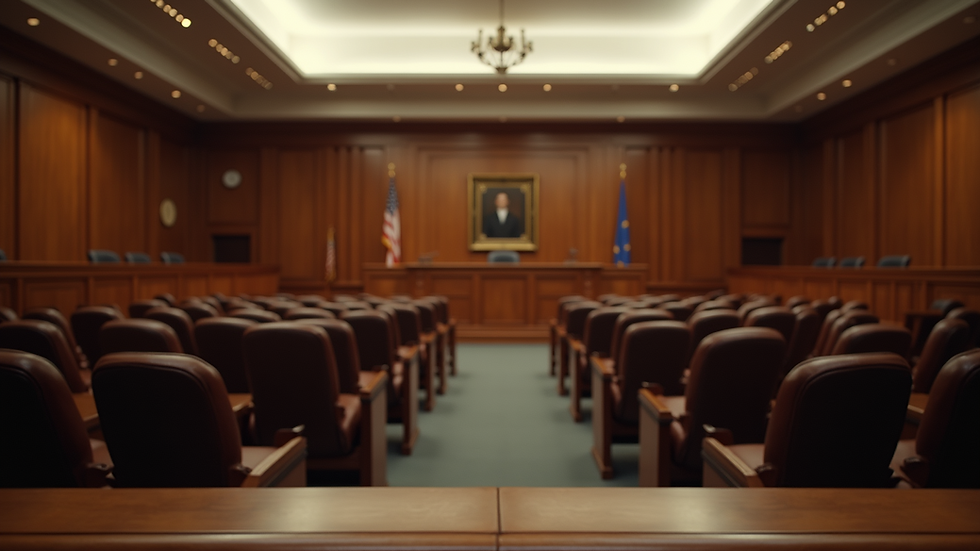
The Importance of Jury Trials
Jury trials serve several critical functions in the criminal justice system:
Protection of Rights: They uphold the constitutional right to a fair trial, as guaranteed by the Sixth Amendment.
Community Involvement: Jury trials involve community members in the judicial process, fostering public trust in the legal system.
Checks and Balances: They act as a check on government power, ensuring that the prosecution must prove its case beyond a reasonable doubt.
Historical Context
The concept of a jury trial dates back to ancient times, but it was solidified in the United States with the adoption of the Constitution. The Founding Fathers recognized the importance of having ordinary citizens participate in the judicial process, which has shaped the modern legal landscape.
The Structure of a Jury Trial
Understanding the structure of a jury trial is essential for grasping how the process works. Here’s a breakdown of the key components:
1. Jury Selection
The jury selection process, known as voir dire, involves questioning potential jurors to determine their suitability for the case. This process is crucial because:
It helps identify biases that could affect a juror's judgment.
Both the defense and prosecution have the opportunity to dismiss certain jurors through challenges for cause or peremptory challenges.
2. Opening Statements
Once the jury is selected, both sides present their opening statements. This is where they outline their case and what they intend to prove. The defense's goal is to create reasonable doubt about the prosecution's claims.
3. Presentation of Evidence
The trial proceeds with the presentation of evidence, which includes:
Witness Testimonies: Both sides call witnesses to support their arguments. The defense may present character witnesses or experts to counter the prosecution's claims.
Physical Evidence: This can include documents, photographs, or any tangible items relevant to the case.
4. Closing Arguments
After all evidence has been presented, both sides deliver their closing arguments. This is their final opportunity to persuade the jury of their position. The defense will typically emphasize any weaknesses in the prosecution's case and reinforce the idea of reasonable doubt.
5. Jury Deliberation
Once closing arguments are complete, the jury retreats to deliberate. They must reach a unanimous verdict in most criminal cases, which can be a lengthy process. The jury discusses the evidence and applies the law as instructed by the judge.
6. Verdict
The jury returns to the courtroom to announce its verdict. Possible outcomes include:
Guilty: The defendant is found guilty of the charges.
Not Guilty: The defendant is acquitted, meaning the prosecution did not meet its burden of proof.
Hung Jury: If the jury cannot reach a unanimous decision, the case may result in a mistrial.
The Role of the Defense Attorney
A defense attorney plays a crucial role throughout the jury trial process. Their responsibilities include:
Case Preparation: This involves gathering evidence, interviewing witnesses, and developing a defense strategy.
Client Representation: The attorney represents the defendant's interests in court, ensuring their rights are protected.
Legal Guidance: They provide advice on whether to accept plea deals or proceed to trial, based on the strength of the evidence.
Defense Strategies
Defense attorneys employ various strategies to challenge the prosecution's case, including:
Alibi Defense: Providing evidence that the defendant was elsewhere when the crime occurred.
Self-Defense: Arguing that the defendant acted to protect themselves from imminent harm.
Insanity Defense: Claiming that the defendant was not in a sound state of mind during the crime.
Challenges in Jury Trials
While jury trials are designed to be fair, they are not without challenges. Some common issues include:
1. Jury Bias
Jurors may come into the trial with preconceived notions about the case or the defendant. This can be mitigated through thorough voir dire and careful jury selection.
2. Complexity of Evidence
In cases involving complex evidence, such as forensic science, jurors may struggle to understand the implications. Defense attorneys often need to simplify this information for the jury.
3. Emotional Appeals
Prosecutors may use emotional appeals to sway jurors, which can be difficult for the defense to counter. A strong defense strategy must focus on logical reasoning and factual evidence.
The Impact of Technology on Jury Trials
Advancements in technology have also influenced jury trials. For example:
Digital Evidence: The use of digital evidence, such as emails and social media posts, has become increasingly common in trials.
Presentation Tools: Attorneys now use multimedia presentations to make their cases more engaging and understandable for jurors.
Conclusion
Jury trials are a fundamental aspect of the criminal justice system, ensuring that defendants receive a fair trial by their peers. Understanding the structure and function of these trials can empower individuals to appreciate the complexities of the legal process. As a defendant or a concerned citizen, knowing how jury trials work can help you navigate the legal landscape more effectively.
Whether you are facing charges or simply interested in the legal system, staying informed about jury trials is essential. If you or someone you know is involved in a criminal case, consider consulting with a qualified defense attorney to explore your options and rights.

Comments